In my last article I discussed some of the dangers and chemicals associated with back-to-school supplies. One of the toxins commonly present in school supplies is Polyvinyl chloride plastic (known as PVC). I had not heard about the dangers of this plastic before, so I decided to further investigate the dangers associated with PVC plastic.
PVC is a material that is commonly used in many different forms of products. Toys, vinyl flooring and seating, shower curtains, dishes, and some technology items all use PVC as a form of plastic. Fifty percent of all PVC plastic manufactured is used for building supplies because it is cheap.
Continue Reading »
Written on
July 12, 2010 by
Amber
As you no doubt know, unless you have been living under a rock for the past several months, an oil rig called the Deepwater Horizon exploded in the Gulf of Mexico on April 20. The explosion destroyed the rig, causing oil to spill from the wellhead into the Gulf. At this point oil has been spilling out for more than 2 months, defying all efforts at containment. The current plan is to drill two relief wells and then permanently close the existing well. The relief wells are expected to be completed in August.
Meanwhile, the largest offshore oil spill in US history continues.
Continue Reading »
Written on
September 29, 2009 by
DianaP
Bats are an ongoing issue in our horse barn. It’s old and as such has numerous nooks and crannies through which they find their way in. So much so that the hay loft may as well be officially dubbed a bat hotel. As much as I loathe their presence, shudder when I hear their high-pitched squeals from above when I do chores I also appreciate their service. And so far, their keeping themselves confined to the loft and the great out doors and not venturing into my tack room.
Bats, as creepy as they may be, are a vital component in insect population control and living near a river and flood plain in a state known for it’s killer mosquito population I can readily appreciate their value.
Continue Reading »
Written on
May 18, 2009 by
SusanC
 Every day we are faced with many types of pollutants. It can come from buses, autos, smoking, factories, detergents, pesticides and more.
Although it seems as though the safest place to be at times is your home, you may not be entirely right. Many indoor pollutants can trigger a LOT of different health issues. Asthma, allergies and carbon monoxide are just a few of the issues your home many have.
Luckily there are a few things you can do to make sure the IAQ (indoor air quality) in your house is up to par.
In the Bedroom:
- Washing bed linens in warm water weekly and keeping a low humidity (30-50%) will keep dust mite levels low
- Dust mites also hide out in other places so wash stuffed toys, dust often, and vacuum regularly
In the Bathroom:
- Mold is the allergen here and can easily be remidied by proper ventilation.
Continue Reading »
Written on
April 27, 2009 by
SusanC
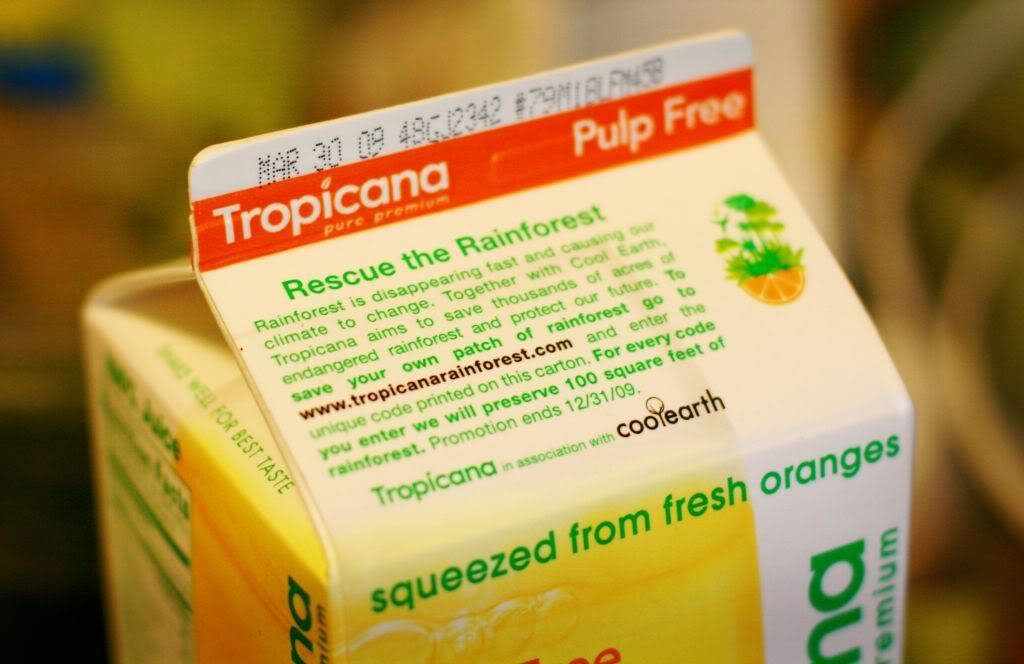 So, you participated in Earth Hour and you went to an Earth Day celebration. Perhaps you’ve tried taking the bus or bringing your own bags to the grocery store, or maybe you’ve started recycling. And that is GREAT!
What a wonderful start, or addition to your already eco-friendly lifestyle! Whether you’re an eco-newbie or an eco-veteran, it’s all about taking it one step at a time.
But what step should you take next?
Once people start to “get it” I have exactly one suggestion for their next eco-move: “Put your money where your mouth is.”
Make sure your purchasing power is used, as much as possible, to support a sustainable and healthy lifestyle.
Continue Reading »
Written on
March 18, 2009 by
SusanC

There has been lots of talk in the past and even recently about how to increase your fuel efficiency. This talk is usually associated with gas mileage, but in places like where I live, that also includes power. Our power comes from a petrol generating plant. Gross, I know.
While saving gas is very important, where, exactly, does all of the information floating out there in cyber-space come from? Is it reliable?
The most quoted numbers are actually from a company subcontracted by the US Government to do these studies. The researchers are known as Energy and Environmental Analysis, Inc. and helped compile most of the information on FuelEconomy.gov.
Continue Reading »
Written on
February 25, 2009 by
SusanC
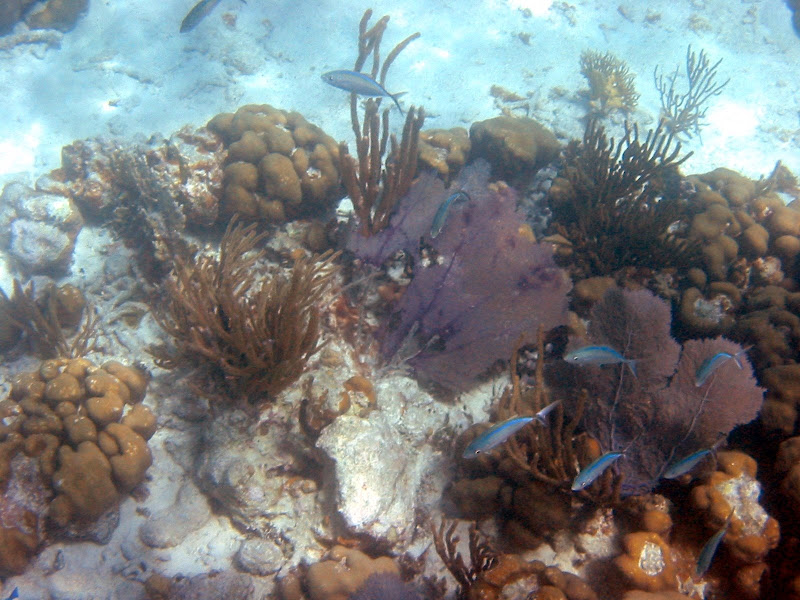 Surprisingly, many of us don’t.
The tuna you had on the salad last night may have been from waters off the coast of India. Your farmed raised tilapia may have been raised on a farm in Indonesia. At the end of the day, what safe fish options do we actually have?
I know there are many of you that do not eat any kind flesh, including fish, but many of us enjoy the bounty of the seas.
So what is a greeny to do?
There are quite a few things we can easily do, the most obvious of which is reading labels.
Continue Reading »
Written on
January 23, 2009 by
SusanC
Here are some of our favorite posts from around the greenosphere that had us thinking this week, to help start your weekend a bit greener.
Monday Dot Green featured an audiovisual slide show centered on “A Planet in Flux.”
Andrew C. Revkin began exploring the human impact on the environment nearly 30 years ago. An early stop was Papeete, Tahiti. This narrated slide show describes his extensive travels.
Tuesday was a historic and momentous occasion, no matter who you voted for in November. Want to know what’s on the green docket during President Obama’s administration? Tree Hugger has a post highlighting the official White House policy on energy and the environment.
Continue Reading »
Written on
January 14, 2009 by
SusanC
 In an article that came out last week on ScienceDaily and many other places around the blogosphere, researchers from Baylor University in Texas used coconut fibers taken from the husks to create molded composite board similar to the polyester version used on door bottoms, in trunks, and on floors of some cars.
Why, though, would you use coconut instead of polyester? We will do a comparison with a few simple questions and equally simple answers:
Where do they come from?
Polyester is an inexpensive, man-made fiber and can be made anywhere. Coconuts are inexpensive seeds that come from trees in the tropics.
Continue Reading »

